
3.1 Understanding VoTs’ Needs
Psychological and emotional barriers
Many survivors experience emotional exhaustion, fluctuating motivation, fear, and difficulties with trust. These challenges can affect how they approach group activities, attendance consistency, and willingness to engage. Trauma-related symptoms such as anxiety, low mood, or fear of disappointment may reduce motivation or lead to withdrawal, particularly in unfamiliar or unpredictable settings. Emotional safety, trust-building, and predictable structures are therefore essential.

External and contextual barriers
Survivors often face practical obstacles that limit participation, including financial constraints, transportation difficulties, unstable daily routines, or competing recovery-related responsibilities. Coaches and professionals may also feel uncertain or fear making mistakes when engaging with survivors, especially without trauma-informed training. Addressing these barriers requires flexible scheduling, accessible locations, affordable participation, and organizational support to ensure safety and confidence for both participants and staff.
Gender-specific and individual considerations
Different participants may face different challenges. Women survivors may experience shame, fear of failure, or anxiety about judgement, which can limit participation in group activities. Male survivors may struggle with a lack of exercise habits, economic pressures, or exhausting work schedules. Understanding these differences helps trainers adapt expectations and activities appropriately, ensuring inclusive participation for all.
Knowledge and support gaps among professionals
Many sports professionals lack confidence in responding to trauma-related reactions or recognizing when additional psychological or social support is needed. Targeted trauma-informed training, alongside collaboration with social workers, psychologists, or other specialists, is essential. This support helps protect participants and professionals, strengthens trust, and promotes sustained engagement in sports activities.

Structural and programmatic factors
Participation can also be limited by structural issues, such as lack of dedicated resources for sport or leisure, limited access to inclusive facilities, documentation requirements, and environments that prioritize competition over inclusion. Integrating physical activity into project design, advocating for dedicated funding, and encouraging partnerships with local sports clubs can help overcome these barriers. Inclusive infrastructure, intercultural sensitivity, and gender-responsive approaches further support recovery outcomes.
The transformative potential of sport
When these conditions are met, sport can help rebuild identity, restore confidence in the body, and re-establish trust. Its impact comes not from performance or competition, but from creating shared, safe spaces where survivors reconnect with themselves and others. Structured, supportive sports activities strengthen self-esteem, social skills, and emotional wellbeing, making them a powerful tool in holistic recovery.
the night before.”

Last night, the participant decided:
“I’ll go to the women’s fitness session tomorrow.”
But after a stressful morning, a meeting with immigration services and a call with their lawyer, their energy is already low. They pause and think:
“Do I still have it in me today?”
They decide yes.
suddenly shifts.”
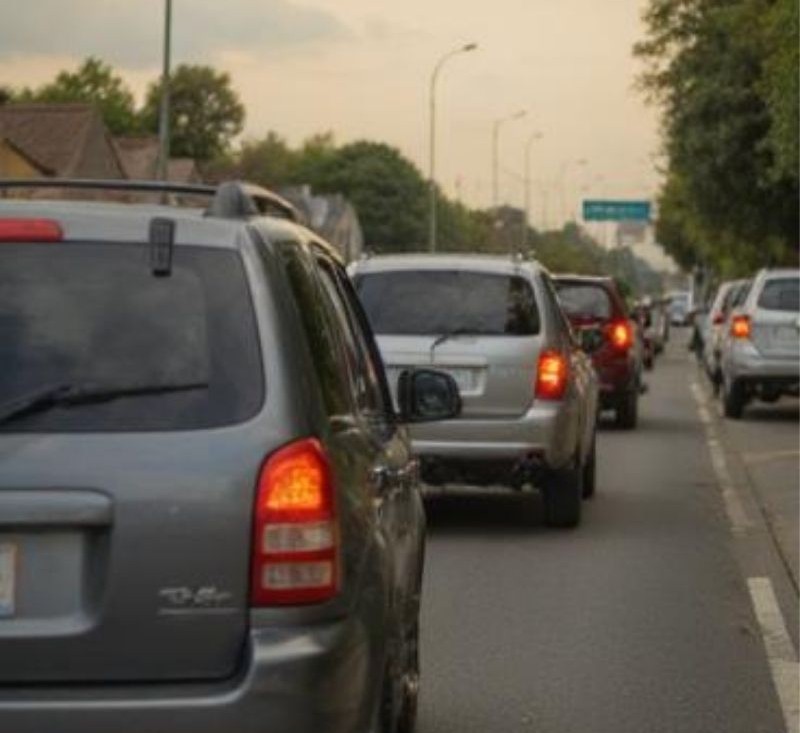
On the way, a last-minute scheduling change disrupts their plans — a work shift is moved, a childcare arrangement falls through, or a support appointment runs long. They create unpredictability, which can feel overwhelming. Now they are rushing, a little late, and already tense.
the group is larger
than last week.”
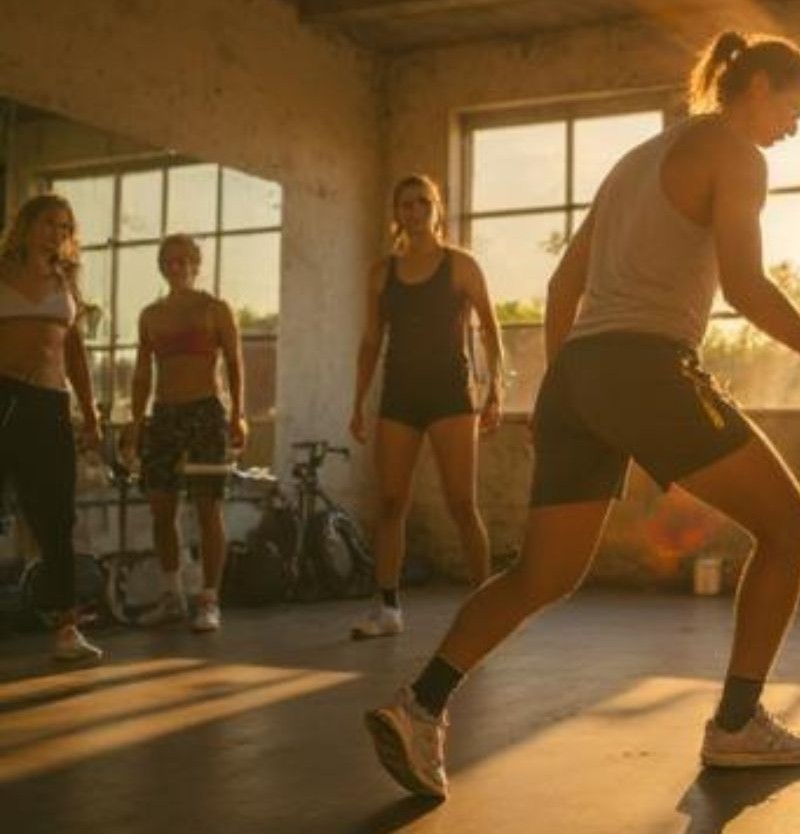
Walking into the space, they notice:
- more people than expected
- a few unfamiliar faces
- some mixed-gender activity happening in another corner
Suddenly their sense of safety shifts. They worry about being judged, seen, or misunderstood, not because of who they are now, but because past experiences have made new environments hard to trust.
but I freeze.”
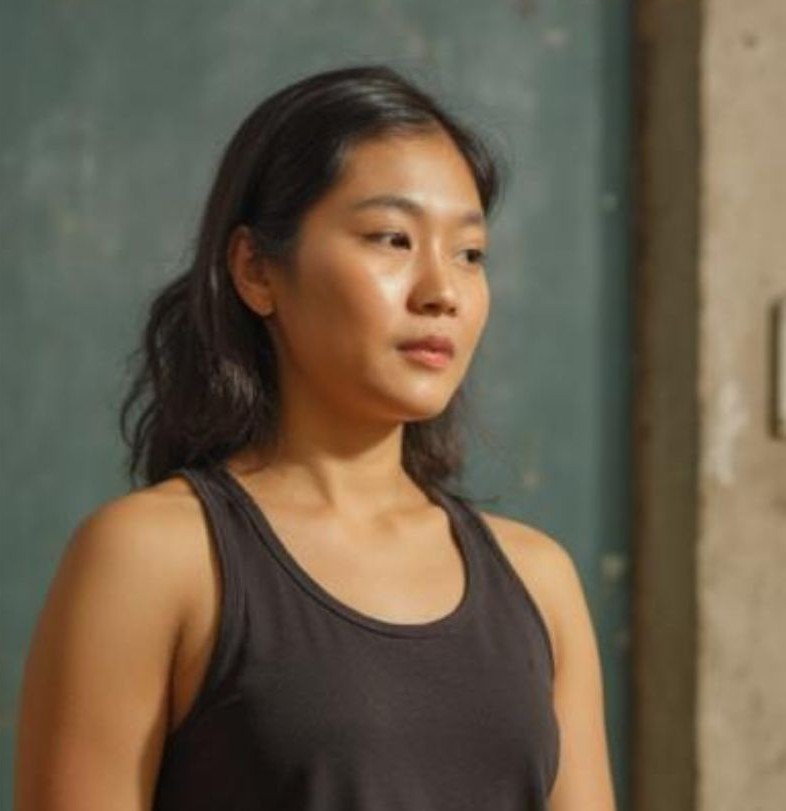
The coach says,
“Hi! We’re glad you made it!”
It’s kind, but it’s also public, and the participant feels a wave of self-consciousness. They smile politely but instinctively step closer to the wall, scanning the room while trying to regulate their breathing. From the outside, it looks like distance or disinterest.
Inside, it’s managing anxiety and uncertainty.
but I stay on the edge.”

They join the warm-up but position themselves toward the back. They choose low-intensity variations because their body feels tight after a stressful morning.
They’re not avoiding participation; they’re protecting their sense of control and testing whether this environment feels safe enough to stay. They leave a bit early, quietly.
Not because they weren’t interested, but because today required more emotional energy than a normal day.
